



The Hidden Cost of Manual Juicing: Why Your Slow Machines Are Costing You
by Ryan
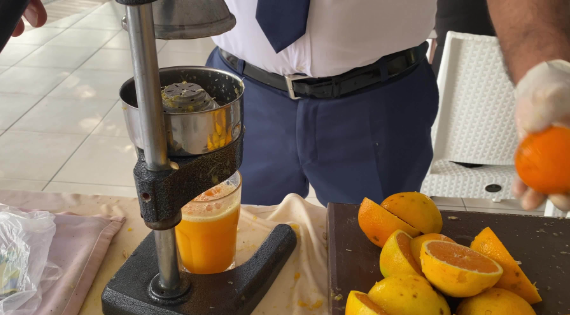
Running a juice bar or a busy cafe often feels like a race against the clock. You want to give people that fresh, vibrant taste they are looking for, but the reality of manual juicing is often a slow, messy process that grinds your operations to a halt.
While it might seem like you are saving money by sticking with older, slower equipment, the hidden costs are likely draining your profit more than you realize.
Losing The Race Against The Clock
When a customer walks into your shop, they usually have a limited window of time. If they see a line of five people and a staff member struggling to feed individual carrots into a slow centrifugal juicer, they might just turn around and walk out. That is a direct loss of revenue.
Manual juicing creates a bottleneck that limits how many people you can serve during your peak hours. If your machines cannot keep up with the morning rush, you are essentially putting a cap on how much your business can grow.
Quality Control and Consistency
Manual juicing relies heavily on the person operating the machine. If a staff member is rushed, they might not prep the produce correctly or might push the machine too hard, leading to a pulpier, less consistent product. Customers pay a premium for fresh juice because they expect a specific experience.
When that experience varies from day to day because the process is too manual, you lose the trust that brings people back. Professional grade equipment like a Zumex or Nutrifaster ensures that the first glass of the day tastes exactly like the last one.
The Labor Drain
Labor is likely your highest expense. If your employees are spending twenty minutes every hour just prepping produce and cleaning up the mess that comes with manual juicers, that is time they aren’t spent engaging with customers or upselling other menu items.
High speed, automated machines allow your team to focus on service rather than being stuck behind a noisy machine. It also reduces the physical strain on your staff, which can lead to lower turnover and a happier work environment.

Efficiency Beyond Just Juice
This issue of speed extends to the rest of your menu too. We often see cafes struggling with the same bottlenecks when it comes to hot breakfast items or healthy sides. This is why we are so high on technology like the Scraegg. It uses steam to cook eggs or oatmeal in about fifteen seconds.
Just like an automated juicer, it takes a high labor task and turns it into something that happens almost instantly. When you combine fast juicing with fast food prep, your throughput increases dramatically.
Making The Switch
Investing in faster equipment can be a big jump, but it is helpful to look at it as buying back your time. Every second you shave off a ticket time is a second you can spend serving the next person in line. In a high volume business, those seconds turn into real dollars very quickly. Stop letting slow machines dictate your growth and start looking at how automation can actually make your business feel more personal and efficient.